4801 Southern Hills Dr, Sioux City, IA 51106, USA


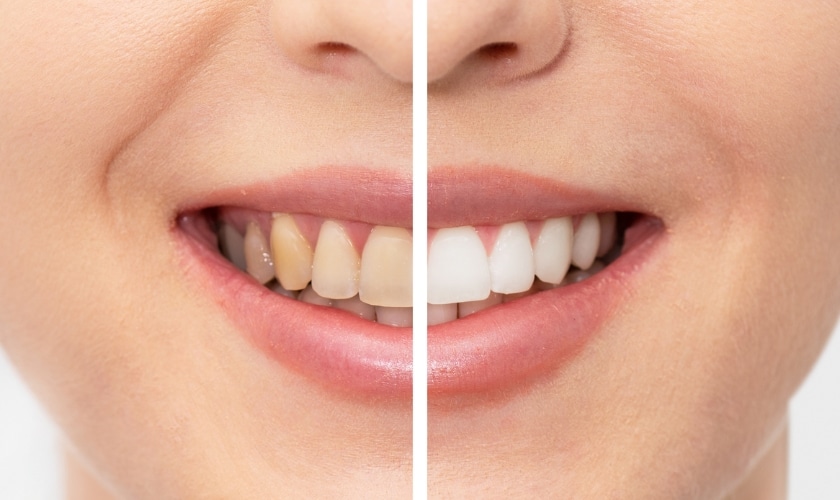
A bright, white smile symbolizes confidence and overall health. Yet, yellowing teeth are a common struggle for many people, leading to significantly impact self-esteem. While lifestyle factors like smoking and excessive coffee consumption are often culprits, a surprising culprit can be lurking behind the scenes—a vitamin deficiency.
This article delves into the surprising vitamin deficiency that can contribute to yellow teeth, explores other causes of discoloration, and offers tips for achieving a healthy, radiant smile.
The Surprising Vitamin Behind Stained Teeth
Believe it or not, a deficiency in vitamin D can be a hidden factor behind yellow teeth. Vitamin D plays vital role in calcium absorption, for maintaining strong teeth and bones. When the body lacks sufficient vitamin D, calcium absorption is hampered, potentially leading to enamel weakening and increased susceptibility to discoloration.
Other Causes of Yellow Teeth:
Vitamin D deficiency isn’t the only culprit. Here are some other common causes of yellow teeth:
- Diet: Certain foods and beverages like coffee, tea, red wine, and sugary drinks can stain teeth over time. These substances contain chromogens, pigment molecules that adhere to the tooth enamel and cause discoloration.
- Smoking: Smoking not only stains teeth but also contributes to gum disease, which can cause receding gums. Receding gums expose the yellowish dentin layer beneath the enamel, further impacting tooth color.
- Age: Enamel naturally thins with age, exposing the dentin layer underneath, which has a naturally yellow hue.
- Poor Oral Hygiene: Inadequate brushing and flossing allows plaque and tartar buildup on teeth. Plaque harbors bacteria that produce pigments, staining teeth and causing yellowing.
- Medications: Certain medications, like tetracycline antibiotics, can stain teeth during tooth development in children or when taken by pregnant women.
Beyond Yellow Teeth: The Importance of Overall Oral Health
While achieving a white smile is a goal for many, it’s crucial to prioritize overall oral health. Yellow teeth might just be the tip of the iceberg, indicating underlying dental issues. Regular dental checkups and cleanings are essential for preventing gum disease, tooth decay, and other oral health problems. Early intervention & remedy are key to maintaining a healthy smile for life.
Restoring a Bright Smile:
Here are some tips to get a whiter and healthier smile:
- Practice Good Oral Hygiene: Brush your teeth twice daily with a fluoride toothpaste for at least two minutes and floss daily to remove plaque and prevent buildup.
- Limit Staining Foods and Drinks: Reduce consumption of coffee, tea, red wine, and sugary drinks. If you do indulge, rinse your mouth with water afterwards.
- Consider Professional Whitening Options: Talk to your dentist about professional teeth whitening options. They can offer in-office treatments or prescribe at-home whitening kits for a safe and effective solution.
- Address Underlying Issues: If you suspect a vitamin D deficiency, consult your doctor to get tested and discuss treatment options. Addressing underlying deficiencies can benefit your overall health and improve the appearance of your teeth.
In conclusion, a deficiency in vitamin D can lead to yellow teeth. Vitamin D plays a crucial role in calcium absorption, which is essential for maintaining strong and healthy teeth. Without adequate vitamin D, your body struggles to absorb calcium efficiently, potentially leading to a weak enamel and discoloration. Ensuring you get enough vitamin D through sunlight exposure, diet, or supplements can help prevent yellowing teeth and support overall oral health.
Frequently Asked Questions
Besides vitamin D deficiency, what other vitamin deficiencies can affect teeth?
Vitamin D deficiency is a surprising culprit, but it’s not the only one. Deficiencies in vitamins A, C, and B12 can also impact oral health. Vitamin A is crucial for tooth development and enamel health, while vitamin C helps fight off gum disease. Vitamin B12 deficiencies can lead to glossitis (inflamed tongue), which can affect taste and potentially contribute to poor oral hygiene. A well-balanced diet and consulting your doctor for any suspected deficiencies are crucial for overall oral health.
What are some at-home whitening options besides baking soda and hydrogen peroxide?
Many over-the-counter whitening products are available, including whitening strips, trays, and gels. These products typically contain bleaching agents like carbamide peroxide. While effective for some, results can vary. Talk to your dentist before using at-home whitening kits to ensure they are safe for your teeth and gums.

Unable to locate Global Block : 1468:full