4801 Southern Hills Dr, Sioux City, IA 51106, USA



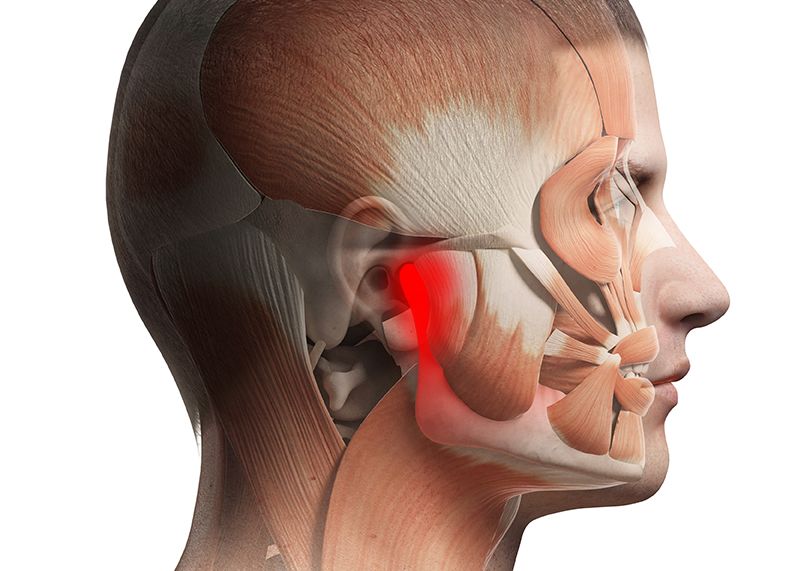
Temporomandibular joint disorder (TMJ) is a common condition that affects the jaw joint and the muscles controlling jaw movement. It can lead to a range of uncomfortable and often painful symptoms, including jaw pain, headaches, and difficulty chewing. Fortunately, there are various treatments and strategies to manage TMJ effectively. In this blog, we’ll explore ten essential tips for TMJ treatment, offering guidance on how to alleviate symptoms and improve your quality of life.
1. Seek Professional Guidance
If you suspect you have TMJ disorder, the first and most crucial step is to consult a healthcare professional. A dentist or an oral and maxillofacial specialist can provide a proper diagnosis and recommend appropriate treatment options. They will conduct a thorough examination, which may include X-rays, to determine the extent of your condition and the best course of action.
2. Manage Stress
Stress is a significant contributor to TMJ disorder. Anxiety and tension can cause you to clench your jaw and grind your teeth, putting additional strain on the TMJ. Learning stress-reduction techniques such as meditation, yoga, or deep breathing exercises can be immensely helpful. In some cases, a therapist or counselor can help you develop coping strategies to reduce stress in your life.
3. Apply Heat and Cold
Hot and cold compresses can offer immediate relief from TMJ-related pain and discomfort. Applying a warm compress to the affected area can help relax tense muscles and increase blood flow, while a cold pack can reduce inflammation. Alternating between the two can be particularly effective in easing the symptoms of TMJ.
4. Modify Your Diet
Your diet plays a vital role in managing TMJ symptoms. Opt for soft, easy-to-chew foods, and avoid hard, crunchy, or chewy items that can exacerbate jaw pain. Cutting your food into smaller, manageable pieces can also help. Additionally, steer clear of excessive caffeine and alcohol, as they can contribute to teeth clenching and jaw tension.
5. Jaw Exercises
Jaw exercises are an essential component of TMJ treatment. Gentle, controlled movements can help improve jaw mobility and reduce muscle tension. Your healthcare provider can recommend specific exercises tailored to your condition. Common exercises include jaw stretches and tongue-to-palate touches, which can be done daily to alleviate TMJ discomfort.
6. Medication
In some cases, over-the-counter pain relievers such as ibuprofen or acetaminophen can help manage pain and inflammation associated with TMJ. Your healthcare provider may also prescribe muscle relaxants or anti-anxiety medications if stress and muscle tension are significant contributors to your condition. Before taking any drug, always consult your doctor.
7. Splints And Mouthguards
For many individuals with TMJ, splints and mouthguards can be a game-changer. These dental appliances help align the jaw and prevent teeth grinding, reducing strain on the TMJ. They can be custom-made by a dentist to ensure an optimal fit and effectiveness. Wearing a splint or mouthguard at night can significantly alleviate TMJ symptoms.
8. Physical Therapy
Physical therapy can be incredibly beneficial for TMJ patients. A physical therapist can guide you through exercises and techniques to improve jaw movement and reduce muscle tension. They may use modalities like ultrasound or electrical stimulation to alleviate pain and swelling. The therapist will tailor the treatment plan to your specific needs.
9. Lifestyle Modifications
Making lifestyle changes can significantly improve your TMJ symptoms. Avoid habits like nail-biting, chewing gum, and resting your chin on your hand, as these can exacerbate jaw pain and discomfort. Good posture is also crucial, as slouching can strain the neck and jaw. Ensure that your workspace and environment are ergonomically designed to promote proper posture.
10. Surgery As A Last Resort
Surgery may be required in severe cases of TMJ dysfunction. However, surgery is typically considered a last resort when all other treatments have failed. Two common surgical options for TMJ are arthrocentesis (a minimally invasive procedure involving the insertion of needles to irrigate and remove debris from the joint) and open-joint surgery (a more invasive procedure to repair or replace the joint). Discuss the risks and benefits with your healthcare provider to make an informed decision.
Conclusion
Dealing with TMJ disorder can be challenging, but it’s essential to remember that there are effective treatments and strategies to manage the condition and alleviate its symptoms. The ten essential tips outlined in this blog can guide you toward a more comfortable and pain-free life. Remember that a proper diagnosis and a personalized treatment plan created in consultation with a healthcare professional are the keys to finding relief from TMJ disorder. By taking control of your stress, diet, and lifestyle and by using therapies and techniques like jaw exercises, medications, and dental appliances, you can improve your TMJ symptoms and regain your quality of life. Surgery should be considered only when all other options have been exhausted and the risks and benefits have been thoroughly evaluated.
If you or someone you know is dealing with TMJ disorder, it’s crucial to reach out to a healthcare professional for guidance and support. With the right treatment plan and a commitment to making positive lifestyle changes, you can effectively manage TMJ and enjoy life with reduced pain and discomfort.


Unable to locate Global Block : 1468