4801 Southern Hills Dr, Sioux City, IA 51106, USA


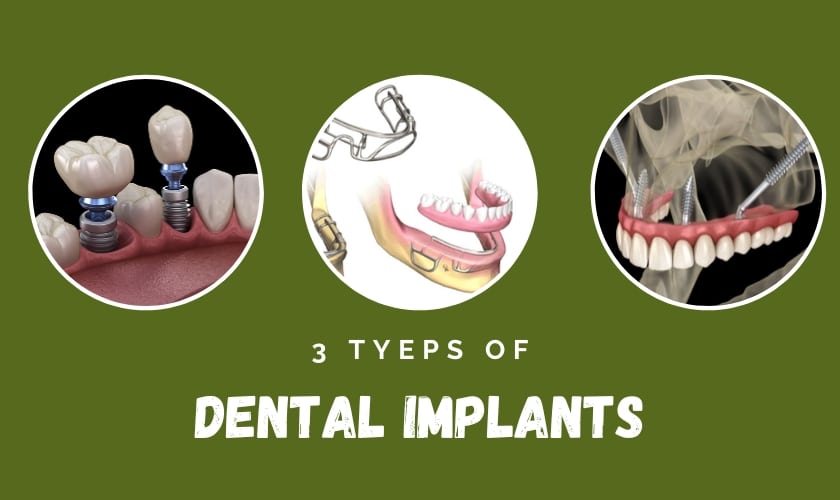
Have you ever wondered about the incredible advancements that make a confident smile possible, even in the face of missing teeth? The world of dental implant opens a gateway to transformative solutions, offering a lifelike restoration that goes beyond aesthetics. In this exploration, we dive into the realm of dental implants, unraveling the intricacies of the three primary types—endosteal, subperiosteal, and zygomatic implants. Join us on a journey where science meets artistry and discover how these innovative implants are reshaping the landscape of oral health, providing lasting solutions for radiant smiles and renewed confidence.
The different types of dental implants and their advantages are mentioned below:
1. Endosteal Implants: The Foundation Of Dental Restoration
What are Endosteal Implants?
Endosteal implants are the most common and widely used type of dental implant. These implants are surgically placed directly into the jawbone, providing a sturdy foundation for artificial teeth. Typically made of titanium, endosteal implants fuse with the jawbone through a process called osseointegration.
Advantages of Endosteal Implants
Dental implant present a myriad of benefits, leading to their extensive adoption in dental restorative procedures. Primarily, their impressive success rate underscores their efficacy, attributed to the direct fusion with the jawbone via osseointegration. These implants exhibit remarkable versatility, catering to single-tooth replacements, bridges, and comprehensive full-arch restorations including dentures. Noteworthy for their resilience, dental implants offer a durable, enduring solution, guaranteeing stability and functionality over an extended period.
Considerations:
Despite the numerous benefits, endosteal implants do come with considerations that patients should be aware of. One primary consideration is the time required for osseointegration, which may extend the overall treatment duration. This implant type may not be suitable for patients who are unwilling to wait for the integration process. Additionally, the success of endosteal implants relies on the patient’s commitment to postoperative care and follow-up appointments to monitor the healing progress.
2. Subperiosteal Implants: Tailored to the Bone’s Surface
What are Subperiosteal Implants?
Subperiosteal implants differ from endosteal implants in placement. Instead of being embedded into the jawbone, subperiosteal implants rest on or above the jawbone, beneath the gum tissue. A metal framework is positioned on the jawbone, and posts protrude through the gums to support the artificial teeth.
Advantages of Subperiosteal Implants
Subperiosteal implants present a unique set of advantages that cater to specific dental needs. These implants are particularly suitable for individuals facing jawbone resorption issues, as they rest on or above the jawbone, eliminating the requirement for a robust jawbone for anchoring. The procedure for placing subperiosteal implants is generally quicker than the osseointegration period associated with endosteal implants, offering a more expedited solution for patients requiring prompt dental restoration.
Considerations
While subperiosteal implants offer advantages, there are considerations to ponder. These implants are less commonly used, and their application is limited to specific cases where traditional implants might not be feasible. Adequate gum health is essential for the success of subperiosteal implants, emphasizing the need for meticulous oral hygiene and regular dental check-ups to maintain optimal conditions for these implants to thrive.
3. Zygomatic Implants: Reaching New Heights in Restoration
What are Zygomatic Implants?
Zygomatic implants, also known as zygoma implants, offer a groundbreaking solution for individuals with severe jawbone loss. Unlike traditional implants, zygomatic implants anchor into the zygomatic (cheek) bone, providing stability even when significant jawbone resorption has occurred.
Advantages of Zygomatic Implants
Zygomatic implants introduce groundbreaking advantages, particularly for individuals facing extensive jawbone loss. Unlike traditional implants, zygomatic implants anchor directly into the zygomatic (cheek) bone, bypassing the need for extensive bone grafting procedures. This makes them a preferred choice for patients who may have insufficient jawbone to support conventional implants. Zygomatic implants also offer the potential for immediate restoration in certain cases, providing a faster pathway to a complete and functional smile.
Considerations
While offering transformative benefits, zygomatic implants come with considerations that warrant careful evaluation. The specialized nature of zygomatic implant placement requires practitioners with specific training and expertise, limiting the number of professionals skilled in this technique. A comprehensive preoperative assessment is crucial to determine the patient’s eligibility for zygomatic implants, considering factors such as bone density, overall health, and the extent of jawbone loss.
Choosing The Right Implant For You
Evaluation and Consultation
Before embarking on the implant journey, a thorough evaluation and consultation with a qualified dentist or oral surgeon are essential. Factors such as jawbone health, overall health, and specific oral conditions will be assessed.
Individualized Treatment Plan
Based on the evaluation, a customized treatment plan will be crafted, outlining the most suitable type of dental implant for the individual’s unique needs.
Comprehensive Care and Maintenance
Once the implant is in place, diligent oral care and regular follow-ups with the dentist are crucial for ensuring the longevity and success of the implant.
Dental implants, in their various forms, have transformed the landscape of tooth restoration, offering personalized solutions for individuals with diverse needs. Whether you opt for the traditional stability of endosteal implants, the versatility of subperiosteal implants, or the groundbreaking approach of zygomatic implants, the goal remains the same – to restore your smile, boost your confidence, and enhance your overall quality of life. As you begin this transformative journey, consult with your dental professional to determine the most fitting type of dental implant for your unique oral health requirements. Embrace the power of modern dentistry and witness the enduring beauty of a radiant smile.

Unable to locate Global Block : 1468:full