4801 Southern Hills Dr, Sioux City, IA 51106, USA


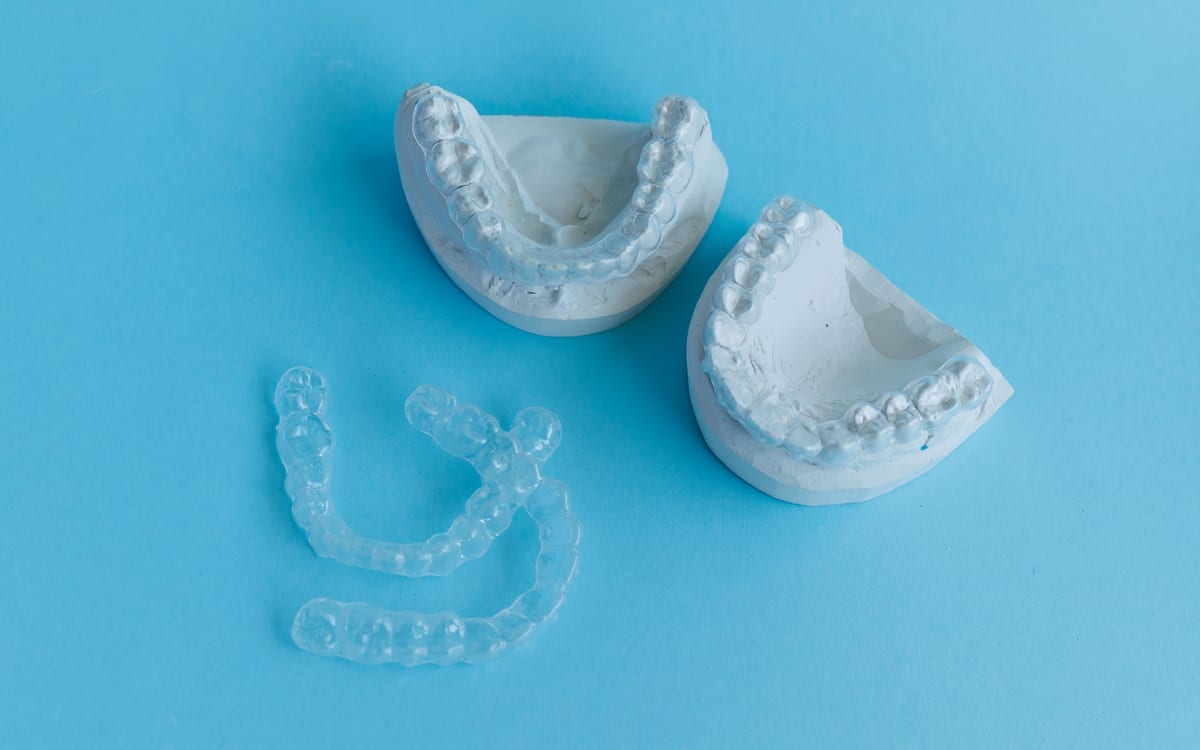
Completing your Invisalign treatment is an exciting milestone. Your smile looks straighter, and you feel more confident than ever. But your Invisalign journey isn’t over — and why retainers are non-negotiable in Sioux City is something every patient needs to understand. Skipping this final phase can quietly undo everything you worked so hard to achieve.
At Whispering Creek Dental, Dr. John Welch guides patients through every stage of orthodontic care — including what comes after Invisalign. This article explains the retention phase in plain, honest terms so you can protect your results for life.
What Happens to Your Teeth After Invisalign Ends?
Many patients assume that once their aligners come off, their teeth are permanently set. Unfortunately, that’s not how biology works. Teeth are held in place by a network of soft tissue fibers called the periodontal ligament. These fibers have memory — they remember where your teeth used to be.
When Invisalign moves your teeth into new positions, those fibers stretch and compress. They don’t immediately adapt to the new alignment. Without something holding your teeth in place, they will drift back toward their original positions.
This movement is called relapse. It can begin within days of finishing treatment. The first weeks after Invisalign are the most critical window for retention. Missing this step means your investment in a straighter smile starts losing value almost immediately.
Why Retainers Are Non-Negotiable in Sioux City After Invisalign
A retainer is a custom-fitted appliance designed to hold your teeth exactly where Invisalign left them. It gives the periodontal ligament time to stabilize around your teeth’s new positions. Without that stabilization period, relapse is not a possibility — it’s a certainty.
Dr. John Welch recommends retainers to every Invisalign patient at Whispering Creek Dental for this reason. There are no exceptions. Even patients with minor crowding who completed shorter treatment plans need consistent retainer use.
Here are the main reasons retainers are essential after Invisalign:
- Teeth naturally shift throughout life — even without prior orthodontic treatment
- Soft tissue fibers take months to fully adapt to new tooth positions
- Jaw growth and daily wear from chewing and speaking create constant pressure
- Relapse can happen quickly — sometimes within days of stopping retainer use
- Retreatment is costly — protecting your results now saves significant time and expense later
Wearing your retainer consistently is the simplest way to honor the commitment you made to your smile.
How Long Will You Need to Wear a Retainer?
This is one of the most common questions Dr. Welch hears from patients finishing Invisalign. The honest answer is: for a very long time — and for many patients, indefinitely.
In the first several months after Invisalign, most patients wear their retainer full-time. This means 20 to 22 hours per day, removing it only to eat and brush. This intensive phase locks in the results during the highest-risk window for relapse.
After that initial period, most patients transition to nighttime-only wear. Wearing your retainer while you sleep gives your teeth the support they need without interfering with daily life. Many dental professionals recommend continuing this habit for years — or for the rest of your life.
The general timeline looks like this:
- Months 1–6: Full-time wear (20–22 hours per day)
- Months 6–12: Transition to nighttime-only wear under Dr. Welch’s guidance
- Year 1 onward: Nightly wear as a long-term habit to prevent shift
Every patient is different. Dr. Welch will give you a personalized retention plan based on your specific treatment and risk factors.
Types of Retainers Available at Whispering Creek Dental
Not all retainers are the same. At Whispering Creek Dental, patients in Sioux City have access to several options depending on their lifestyle and clinical needs. Dr. Welch will recommend the best fit for you during your post-Invisalign appointment.
Clear removable retainers look similar to Invisalign aligners. They are discreet, comfortable, and easy to clean. Many patients prefer them because they feel familiar after months of wearing aligners.
Hawley retainers are the traditional wire-and-acrylic design. They are durable and adjustable, making them a reliable long-term option. They are slightly more visible than clear retainers but often last longer with proper care.
Fixed or bonded retainers involve a thin wire bonded to the back of your front teeth. They work around the clock without any effort on your part. They are ideal for patients concerned about forgetting to wear a removable retainer.
Each type has its own advantages. Dr. Welch will walk you through the pros and cons so you can make a confident, informed decision.
Caring for Your Retainer — and Your Overall Oral Health
A retainer only works if you wear it — and wear it properly. Clean your removable retainer daily with a soft brush and mild soap. Avoid hot water, which can warp the plastic and change the fit. Store it in its case when not in your mouth to prevent loss or damage.
Beyond retainer care, this is also a great time to maintain your broader oral health. Straight teeth are easier to clean, which can reduce your risk of gum disease and decay. If you have gaps in your smile from missing teeth, solutions like Dental Bridges Sioux City or Dental Implants Sioux City can complement your Invisalign results beautifully.
Remember to attend your regular checkups at Whispering Creek Dental. Dr. Welch will monitor your retainer fit and make adjustments as needed. Retainers can wear down over time and may need to be replaced every few years.
- Clean your retainer every day — bacteria build up quickly
- Never wrap a retainer in a napkin — it gets thrown away too easily
- Keep your retainer away from pets — dogs are notorious retainer destroyers
- Contact the practice immediately if your retainer feels too tight or too loose
- Replace your retainer on schedule — a worn-out retainer does not protect your results
Your Sioux City Smile Deserves Long-Term Protection
You invested time, effort, and commitment into your Invisalign treatment. The retention phase is where that investment gets protected. Skipping your retainer — even for a short time — risks undoing months of careful tooth movement.
Dr. John Welch and the team at Whispering Creek Dental are here to support Sioux City patients through every phase of their smile journey. That includes making sure the finish line of Invisalign leads into a strong, lifelong maintenance plan. Your retainer isn’t a burden — it’s your smile’s best long-term ally.
Ready to protect your Invisalign results and keep your smile looking its best? Book Now to schedule your appointment with our team.
Frequently Asked Questions
How soon after finishing Invisalign do I need to start wearing a retainer?
You should begin wearing your retainer immediately after completing Invisalign — often the same day your final aligner is removed. The first 24 to 72 hours are the highest-risk period for initial tooth drift. Dr. Welch will have your retainer ready so there is no gap in protection.
What happens if I forget to wear my retainer for a few nights?
Missing a few nights can cause your teeth to shift slightly, making the retainer feel tight when you put it back in. If the retainer still fits, wear it consistently and the mild shifting may correct itself. If it no longer fits comfortably, contact Whispering Creek Dental right away so Dr. Welch can assess whether a replacement is needed.
Can I wear my last Invisalign aligner as a retainer?
Your final Invisalign aligner is not designed for long-term retainer use. It will wear down quickly and lose its ability to hold your teeth in position. A properly fitted retainer is made from more durable material and is custom-designed for the retention phase specifically.
How do I know if my retainer needs to be replaced?
Signs that your retainer needs replacing include visible cracks or chips, a noticeably loose fit, discoloration that doesn’t clean off, or a warped shape. Most clear retainers last one to three years with proper care. Dr. Welch can evaluate your retainer at your regular checkup and advise you on timing.
Is the retention phase the same for everyone?
No — retention plans are personalized. Factors like the severity of your original misalignment, your age, and how your teeth responded to treatment all influence how long and how consistently you need to wear your retainer. Dr. Welch designs each patient’s retention plan individually to give the best long-term results.


Unable to locate Global Block : 1468