4801 Southern Hills Dr, Sioux City, IA 51106, USA


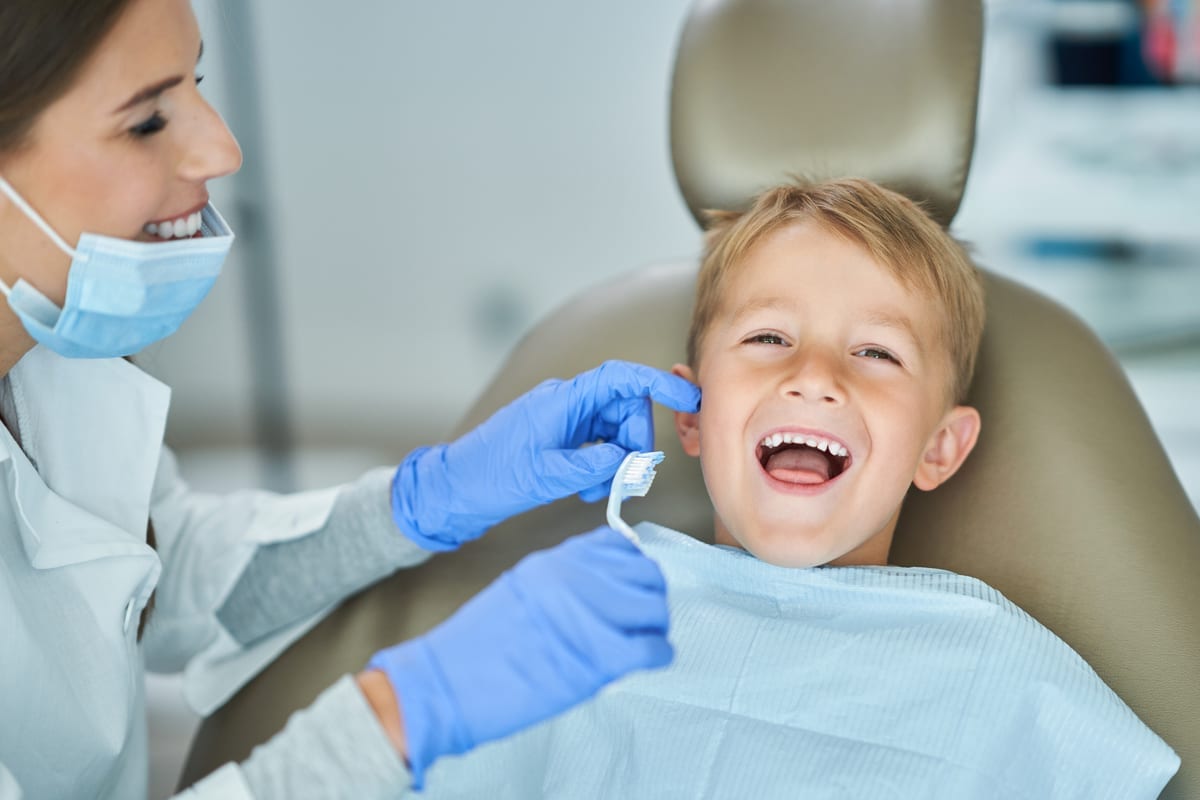
As a parent in Sioux City, you want the best for your child’s health. That includes their smile. Questions about fluoride and sealants come up often at Whispering Creek Dental. Many parents wonder whether these treatments are truly safe, effective, and necessary. This article addresses those concerns directly — with balanced, science-based answers you can trust.
When it comes to Fluoride and Sealants: Do They Really Keep Kids’ Teeth Safe? Sioux City families deserve clear, honest information. Dr. John Welch and the team here are committed to helping you make informed decisions for your child.
What Is Fluoride and How Does It Protect Kids’ Teeth?
Fluoride is a naturally occurring mineral. It strengthens tooth enamel and helps prevent cavities. It works by remineralizing teeth that have been weakened by acids from food and bacteria.
Children are especially vulnerable to tooth decay. Their enamel is still developing, which makes protection especially important. Fluoride can be delivered in two main ways — through community water fluoridation and through topical treatments at the dentist.
Topical fluoride varnish is applied directly to the teeth during a routine visit. It takes just a few minutes and is completely painless. Studies consistently show it reduces cavities by up to 33% in children.
- Strengthens developing enamel in baby and permanent teeth
- Reverses very early-stage tooth decay
- Reduces cavity risk by up to one-third in children
- Safe at recommended levels endorsed by the American Dental Association
- Available in professional varnish form at dental visits
Are Fluoride Treatments Safe for Children? Addressing Parent Concerns
This is one of the most common questions Dr. John Welch hears from Sioux City parents. The short answer is yes — at the levels used in dental care, fluoride is safe and well-researched.
Some parents worry about a condition called dental fluorosis. This can occur when very young children consume excessive fluoride over time. However, the amounts used in professional treatments and fluoridated water are carefully controlled to prevent this.
Major health organizations — including the CDC, ADA, and American Academy of Pediatrics — all support fluoride use in children. Decades of research back this up. The benefit of preventing cavities far outweighs the minimal risk when fluoride is used appropriately.
At Whispering Creek Dental, we tailor fluoride recommendations to each child’s age and cavity risk. We never apply a one-size-fits-all approach. Your child’s individual needs always guide our care decisions.
What Are Dental Sealants and Which Kids Benefit Most?
Dental sealants are thin, protective coatings applied to the chewing surfaces of back teeth. Molars have deep grooves that trap food and bacteria. These areas are very difficult to clean with a toothbrush alone.
Sealants fill in those grooves to create a smoother surface. This makes it much harder for decay to start. The application process is quick, painless, and requires no drilling or numbing.
Children between the ages of 6 and 12 benefit most from sealants. This is when the first and second permanent molars come in. Applying sealants shortly after these teeth erupt gives the best protection.
- Applied to permanent molars as soon as they erupt
- Reduces the risk of decay in back teeth by up to 80%
- Completely painless — no needles or drilling needed
- Lasts several years with proper care
- Can also be applied to baby molars in high-risk children
The Evidence Behind Sealants: What Does the Science Say?
Sealants have a strong evidence base. The CDC reports that school-age children without sealants have nearly three times more cavities than those who have them. That is a significant difference.
The American Dental Association and the American Academy of Pediatric Dentistry both recommend sealants as a key part of cavity prevention. These are not experimental treatments — they have been used safely for decades.
Some parents ask about BPA in sealants. While some sealant materials contain trace amounts of BPA, the exposure is extremely small. Studies show it falls well below any level of concern. Modern sealant materials continue to improve in this area as well.
For Sioux City families focused on prevention, sealants offer real, measurable protection. Combined with fluoride, regular checkups, and good home care, they can dramatically reduce your child’s risk of needing more involved treatments later.
Fluoride, Sealants, and Long-Term Dental Health in Sioux City
Prevention is always better than treatment. Cavities that go untreated can develop into serious infections. In severe cases, children may need Root Canal Therapy Sioux City — a procedure that could often be avoided with early preventive care.
Healthy primary teeth also matter for long-term development. They hold space for permanent teeth and support proper speech and chewing. Protecting them early sets children up for better oral health as adults.
As your child grows, their dental needs evolve. Teens may eventually explore Cosmetic Dentistry Sioux City options to enhance their smile. But that future starts with a strong foundation built in childhood through consistent preventive care.
Dr. John Welch works with families throughout Sioux City to build personalized prevention plans. These plans grow and adapt with your child at every stage of their development.
What to Expect During a Preventive Visit at Whispering Creek Dental
Bringing your child in for fluoride or sealant treatment is simple and stress-free. Here is what you can expect during a typical preventive visit.
- Exam and cleaning: We start with a thorough cleaning and check for any existing decay.
- Fluoride varnish: A quick, painless coat is painted onto the teeth and hardens quickly.
- Sealant application: Teeth are cleaned and dried, the sealant is painted on, then hardened with a curing light.
- Review and education: We talk with you and your child about brushing habits and diet tips.
The entire visit typically takes under an hour. Children of all ages are welcome. Our team creates a warm, welcoming environment so kids feel at ease from the moment they walk in.
Conclusion: Building a Healthier Future for Your Child’s Smile
Fluoride and sealants are two of the most effective, well-researched tools in pediatric dentistry. When used appropriately, they offer real protection with minimal risk. For families in Sioux City, these treatments are a smart investment in long-term oral health.
Dr. John Welch and the team at Whispering Creek Dental are here to answer your questions and guide your child’s care every step of the way. We believe in education, transparency, and partnerships with parents. Book Now to schedule your appointment with our team.
Frequently Asked Questions
At what age should my child first receive fluoride treatments?
The American Academy of Pediatric Dentistry recommends fluoride varnish starting when the first tooth erupts — often around 6 months to 1 year. Professional fluoride treatments can be applied at dental visits from that point forward based on your child’s cavity risk.
How long do dental sealants last on children’s teeth?
Dental sealants typically last between 5 and 10 years. They should be checked at every dental visit to ensure they remain intact. If a sealant chips or wears down, it can be easily reapplied to maintain protection.
Is it safe for my child to swallow fluoride varnish?
Fluoride varnish is applied in very small amounts and sets quickly on the teeth. While some trace amounts may be swallowed, the quantity is far too small to cause harm. It is considered safe for children of all ages when applied professionally.
Can sealants be placed over a tooth that already has a small cavity?
In some cases, sealants can be placed over very early, non-progressed decay to slow or stop its development. However, teeth with active or advanced cavities typically require treatment before a sealant is applied. Dr. John Welch will evaluate each tooth individually before recommending sealants.
Do fluoride treatments replace the need for good brushing habits at home?
No — fluoride treatments and sealants work best as part of a complete oral hygiene routine. Brushing twice daily with fluoride toothpaste, flossing, and eating a balanced diet are all essential. Preventive treatments at the dentist enhance home care rather than replace it.


Unable to locate Global Block : 1468:full