4801 Southern Hills Dr, Sioux City, IA 51106, USA


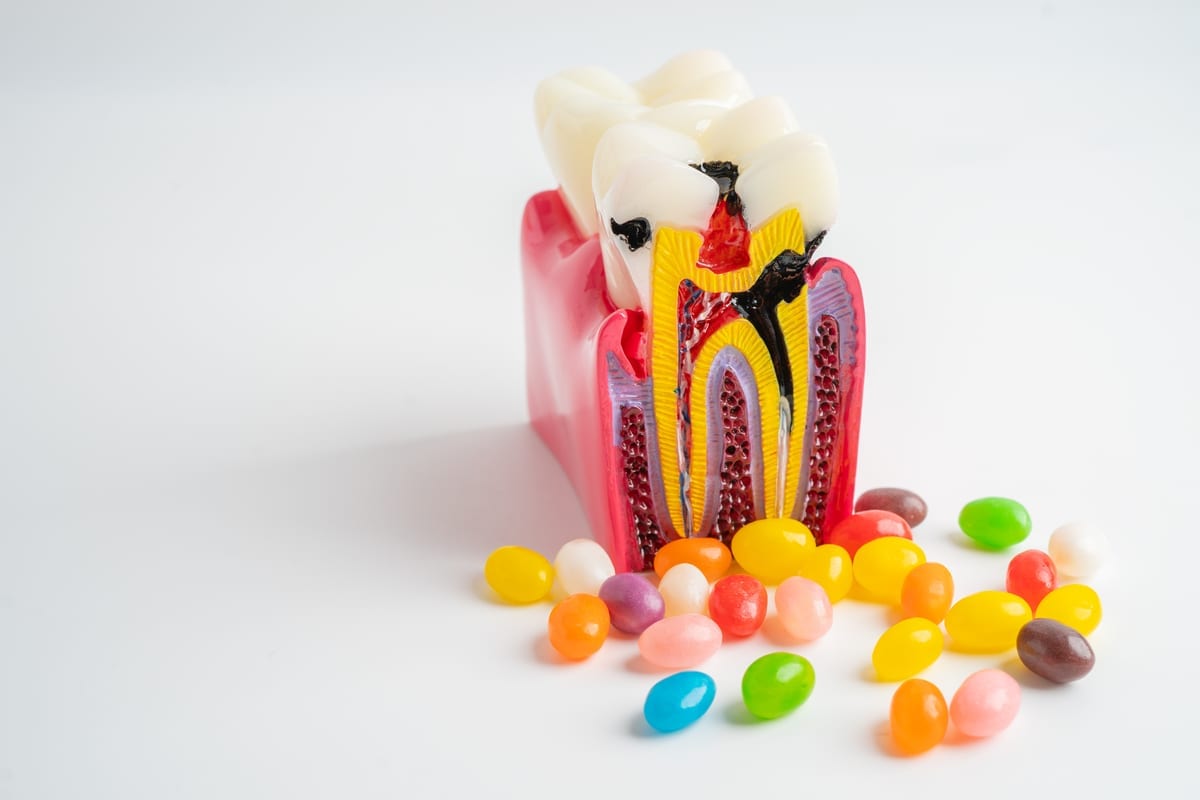
Many patients leave their Root Canal Therapy Sioux City appointment feeling relieved. The pain is gone and the infection is treated. But here’s the truth — your root canal isn’t finished without a crown in Sioux City. Understanding why that crown matters could save your tooth for decades to come.
What Happens to a Tooth After a Root Canal?
A root canal removes the infected pulp from inside your tooth. That pulp contained nerves and blood vessels. Once removed, your tooth loses its natural moisture source.
Over time, a tooth without pulp becomes more brittle. It no longer receives nutrients the way a living tooth does. This structural change is important to understand.
Think of it like a dried-out twig versus a green branch. The dried twig snaps much more easily. Your treated tooth faces the same risk without proper protection.
Chewing creates significant force — up to 200 pounds of pressure on back teeth. A brittle, unprotected tooth simply cannot handle that stress long-term. That’s where a dental crown becomes essential.
Why Skipping a Crown After Your Root Canal Is Risky in Sioux City
Some patients delay getting their crown after a root canal. Others skip it entirely due to time or cost concerns. This decision can lead to serious consequences.
Here are the key risks of leaving your root canal unprotected:
- Tooth fracture: A cracked or broken tooth often cannot be saved and must be extracted.
- Bacterial re-infection: The temporary filling used after a root canal is not a long-term seal.
- Bite problems: A broken tooth changes how your jaw aligns during chewing.
- Bone loss: Losing the tooth leads to gradual jawbone deterioration over time.
- Additional costs: Replacing an extracted tooth with an implant or bridge costs far more than a crown.
Most dental professionals strongly recommend placing a crown within a few weeks of completing root canal treatment. Dr. John Welch and the team at Whispering Creek Dental follow this same guidance for every patient.
Delaying your crown appointment puts your tooth at unnecessary risk. The longer you wait, the more vulnerable that tooth becomes.
What Does the Crown Appointment Actually Involve?
Many patients feel nervous about getting a crown. Knowing what to expect makes the process much less intimidating. At Whispering Creek Dental in Sioux City, we walk you through every step.
Here’s what a typical crown appointment looks like:
- Tooth preparation: The dentist gently shapes the outer surface of your treated tooth. This creates the ideal fit for your new crown.
- Impressions or digital scans: We capture precise measurements of your tooth and bite. This ensures your crown fits perfectly.
- Temporary crown placement: A temporary crown protects your tooth while your permanent crown is crafted.
- Permanent crown placement: At your follow-up visit, we remove the temporary crown and bond the permanent one securely.
- Bite check and adjustments: We make sure your bite feels comfortable and natural before you leave.
The entire process typically involves two appointments. Most patients find the crown placement very manageable. Local anesthetic keeps you comfortable throughout.
Modern crowns are designed to look and function like your natural teeth. They come in tooth-colored materials that blend seamlessly with your smile.
How Crowns Connect to Your Long-Term Oral Health
A crown does more than protect a single tooth. It helps preserve the overall structure of your mouth. This connects directly to your long-term dental health.
When you lose a back tooth, neighboring teeth begin to shift. This movement can cause spacing issues and bite misalignment. Crowns prevent that chain reaction from starting.
At Whispering Creek Dental, we also offer Cosmetic Dentistry Sioux City services that complement your restorative care. A well-placed crown can also improve the appearance of a damaged or discolored tooth. Functional and aesthetic goals often go hand in hand.
Patients in Sioux City who complete their full root canal and crown treatment consistently report better outcomes. Their teeth last longer and their overall oral health stays stronger. Completing both steps is always worth it.
How Long Do Crowns Last After a Root Canal?
A properly placed crown can last 10 to 15 years or longer. Good oral hygiene habits make a significant difference. Brushing twice daily and flossing regularly protect your crown and surrounding gum tissue.
Routine dental checkups also extend the life of your crown. Dr. John Welch monitors your crown at every visit. Early detection of any wear or fit issues keeps problems from escalating.
Avoiding habits like chewing ice or grinding your teeth also helps. If you grind at night, ask about a custom night guard. Protecting your investment is simple with a few smart habits.
Frequently Asked Questions
Can I just get a filling instead of a crown after a root canal?
A filling is not strong enough to protect a tooth after root canal treatment in most cases. Back teeth especially face heavy chewing forces. A crown provides the full coverage and strength needed to prevent fracture and re-infection.
How soon after my root canal should I get a crown?
Most dentists recommend placing a crown within two to four weeks after completing root canal therapy. The temporary filling placed during the procedure is not designed to last long-term. Scheduling promptly reduces your risk of complications.
Will getting a crown hurt?
The crown appointment is generally very comfortable. Local anesthetic is used during tooth preparation. Most patients experience minimal sensitivity afterward, which typically fades within a few days.
What happens if my tooth breaks before I get the crown?
A tooth that fractures after a root canal may not be salvageable. In some cases, the tooth must be extracted. This makes it even more important to schedule your crown appointment as soon as possible.
Does a crowned tooth still need regular dental care?
Absolutely. A crown protects the tooth structure, but the gum tissue and root can still be affected by decay and gum disease. Regular brushing, flossing, and dental checkups remain essential even with a crown in place.
Understanding why your root canal isn’t finished without a crown in Sioux City empowers you to make the best decision for your smile. Dr. John Welch and the Whispering Creek Dental team are here to guide you through every step of your treatment. Book Now to schedule your appointment with our team.


Unable to locate Global Block : 1468