4801 Southern Hills Dr, Sioux City, IA 51106, USA


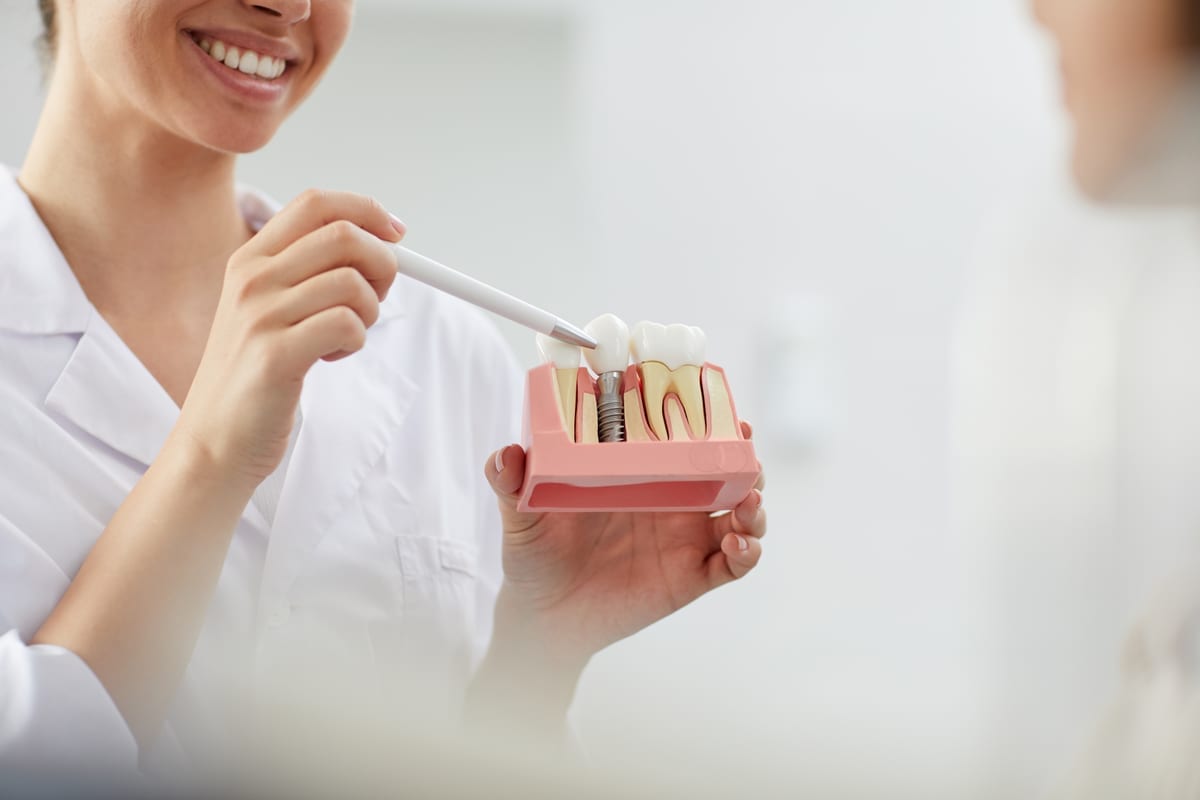
Getting dental implants is one of the best investments you can make for your smile. But knowing what happens after the procedure matters just as much as the surgery itself. This dental implant recovery guide covers what to expect week by week in South Sioux City, so you can heal confidently and protect your results. Dr. John Welch and the team at Whispering Creek Dental are here to walk you through every stage of recovery.
Week-by-Week Dental Implant Recovery: What South Sioux City Patients Should Know
Recovery from dental implants happens in stages. Each week brings new milestones and different needs. Understanding the timeline helps you stay calm and prepared throughout the process.
Week 1: The first few days are the most intense. Swelling, minor bleeding, and soreness are completely normal. Your body is responding to the procedure and beginning to heal.
Week 2: Swelling should reduce significantly by day seven. Most patients feel well enough to return to light activity. You may still experience mild tenderness near the implant site.
Weeks 3–4: Soft tissue healing continues during this period. Discomfort fades for most patients. You should begin to feel much more like yourself by the end of week four.
Months 2–6: This is the osseointegration phase. Your jawbone fuses with the titanium implant post. This process is critical and takes time — do not rush it.
Managing Pain and Swelling After Your Implant Procedure
Pain management is a top concern for most patients. The good news is that most people find implant recovery very manageable with the right approach. Dr. Welch will provide specific post-operative instructions tailored to your case.
Here are the most effective ways to manage discomfort during recovery:
- Take prescribed or recommended over-the-counter pain relievers as directed
- Apply an ice pack to your cheek for 20 minutes on, 20 minutes off during the first 48 hours
- Keep your head elevated — even while sleeping — to reduce swelling
- Avoid strenuous physical activity for at least the first week
- Do not touch or probe the implant site with your tongue or fingers
Swelling typically peaks around day two or three. After that, it should steadily improve. If you experience increasing pain after day four, contact our office right away.
What to Eat During Dental Implant Recovery in South Sioux City
Your diet plays a huge role in how well and how quickly you heal. The wrong foods can irritate the surgical site or even disrupt the implant. Sticking to soft, nutrient-rich foods supports faster tissue repair.
During the first week, focus on foods like:
- Smoothies and protein shakes (no straws)
- Mashed potatoes, soft rice, and oatmeal
- Scrambled eggs and soft-cooked fish
- Yogurt, applesauce, and pudding
- Lukewarm soups and broths
Avoid hard, crunchy, or chewy foods for at least the first four weeks. Stay away from hot beverages, alcohol, and spicy foods during early healing. These can all irritate the implant site and slow recovery.
By weeks three and four, you can gradually reintroduce firmer foods. Always chew on the opposite side of your implant. When in doubt, softer is safer.
Long-Term Care: Protecting Your Implant Investment
Dental implants can last a lifetime with proper care. But long-term success depends on consistent habits. Building the right routine now protects your implant for decades to come.
Follow these long-term care tips to keep your implant healthy:
- Brush twice daily with a soft-bristled toothbrush
- Floss daily using implant-specific floss or a water flosser
- Attend every scheduled follow-up appointment with Dr. Welch
- Avoid tobacco products, which significantly impair healing and implant longevity
- Wear a night guard if you grind your teeth during sleep
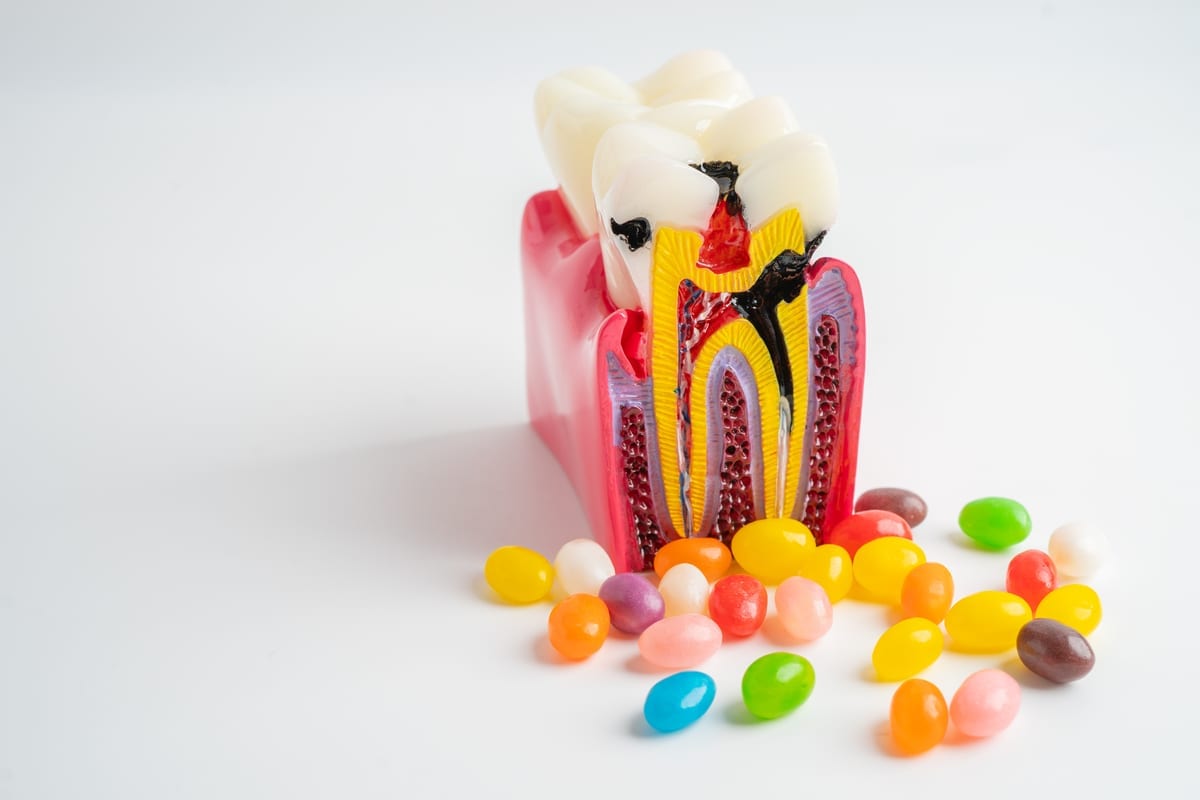
Implants are not susceptible to decay like natural teeth. However, the gum tissue surrounding them still needs attention. Gum disease around an implant — called peri-implantitis — can cause implant failure if left untreated.
Regular professional cleanings at Whispering Creek Dental keep your gums healthy and your implant stable. Think of your implant like any other long-term investment — it rewards consistent attention.
How Dental Implants Compare to Other Tooth Replacement Options
Some patients wonder if dental implants are right for them versus other options. It helps to understand how implants stack up against alternatives like Dental Bridges and Dentures.
Dental implants are the only tooth replacement option that preserves your jawbone. They function just like natural teeth and do not rely on neighboring teeth for support. Over time, many patients find them to be the most comfortable and natural-feeling solution.
That said, implants require a longer recovery and a healthy jawbone for successful placement. Bridges and dentures may be better suited for certain patients depending on bone density, overall health, or other clinical factors. Dr. Welch will help you explore all options during your consultation.
When to Call Your Dentist During Recovery
Most implant recoveries are smooth and uneventful. But knowing when to seek help is important. Some signs are normal — others require prompt attention from your dental team.
Contact Whispering Creek Dental if you experience any of the following:
- Pain or swelling that worsens after day four of recovery
- A fever above 101°F that does not resolve within 24 hours
- The implant feels loose or shifts position
- Persistent numbness or tingling in your lip, chin, or gums
- Heavy or uncontrolled bleeding beyond the first day
These symptoms are rare, but they should never be ignored. Early intervention protects your implant and your overall oral health. Our team is always available to answer questions and put your mind at ease.
Recovering from dental implants in South Sioux City does not have to be stressful. With the right knowledge and the right dental team, the process is very manageable. Dr. John Welch and the staff at Whispering Creek Dental are committed to supporting you every step of the way. Book Now to schedule your appointment with our team.
Frequently Asked Questions
How long does dental implant recovery take?
Most patients feel back to normal within two to four weeks after implant placement. However, full osseointegration — where the bone fully fuses with the implant — takes three to six months. Final restorations like crowns are typically placed after this phase is complete.
Is dental implant surgery painful?
The procedure itself is performed under local anesthesia, so you should not feel pain during surgery. Afterward, most patients experience mild to moderate soreness for a few days. Over-the-counter or prescribed pain relievers typically manage discomfort very effectively.
What foods should I avoid after getting a dental implant?
Avoid hard, crunchy, and chewy foods for at least the first four weeks. You should also skip hot beverages, alcohol, and spicy foods during early recovery. Soft, nutritious foods like smoothies, scrambled eggs, and mashed potatoes are your best options in the first week.
Can I brush my teeth after dental implant surgery?
Yes, but with care. Brush gently around the implant site and avoid direct contact for the first few days. Use a soft-bristled toothbrush and a non-abrasive toothpaste. Dr. Welch will give you specific cleaning instructions after your procedure.
What happens if my dental implant fails?
Implant failure is rare but possible. Signs include persistent pain, implant movement, or significant swelling after the initial healing period. If you notice any of these symptoms, contact Whispering Creek Dental right away. Early diagnosis greatly improves outcomes in these situations.


Unable to locate Global Block : 1468